The short answer: size the energy interval first
The reference Explorer 1000 v2 lists 1,024Wh and 1,500W output. Explorer 2000 v2 lists 2,042Wh and 2,200W rated output. The larger unit nearly doubles rated stored energy while also supporting a higher ordinary output requirement. Those two improvements solve different constraints.
For shorter trips with a dependable recharge opportunity, the smaller energy budget may be adequate and easier to transport. For a longer interval without input, the additional capacity may be the deciding factor. Do not choose a size solely from the product number: calculate the device energy and simultaneous loads you actually need.
| Decision factor | Explorer 1000 v2 | Explorer 2000 v2 |
|---|---|---|
| Reference ASIN | B0D7PPG25F | B0DFG2WDQH |
| Rated capacity | 1,024Wh | 2,042Wh |
| Rated AC output | 1,500W | 2,200W |
| Peak output stated | 3,000W | 4,400W |
| Carrying weight in catalog reference | 23.4lb | 39.5lb |
| 100W load at assumed 80% allowance | About 8.2h, calculated | About 16.3h, calculated |
A worked example: when the smaller capacity misses the target
Suppose a hypothetical combination of devices averages 100W for ten hours without recharging. The devices consume 1,000Wh. An assumed 80% usable-energy allowance implies a rated-capacity requirement of 1,250Wh before reserve. That example exceeds the 1,024Wh reference even though its 1,500W output is far above the instantaneous load.
The 2,042Wh reference passes that capacity arithmetic, but that still is not a measured ten-hour performance guarantee. Temperature, battery condition, inverter consumption and variable loads can change the result. The example helps identify which candidate deserves inspection; the exact equipment and settings determine whether it fits your use.
Build your own capacity worksheet →Calculate a shortlist from your inputs →
Higher output helps with loads, not every runtime problem
A 2,200W rated output can address a different simultaneous-load requirement from a 1,500W rating. Confirm the voltage, connections and startup behavior of each device before using that difference to justify a purchase. Peak figures are separate from sustained running limits.
An appliance within a station’s output rating can still consume the energy budget quickly. High constant loads trade away runtime; low average loads can make idle consumption more important. Read the refrigerator guide when a compressor is involved instead of assuming that either unit will run a fridge for a fixed number of hours.
Carrying weight and storage are part of the purchase
The dated catalog references list 23.4lb for Explorer 1000 v2 and 39.5lb for Explorer 2000 v2; the US 2000 v2 specification also lists about 39.5lb. The additional energy comes with a larger carrying burden. Decide where the equipment will stay and how often it must be moved.
For vehicle-supported camping, the unit may move only between the vehicle and a nearby site. For regular carrying, the battery, panel and cables make a combined load. Inspect dimensions and handle arrangement on the product page, and leave space for operation according to the manufacturer’s instructions.
Do not compare mixed bundles or different revisions
A station-only listing is different from a SolarSaga kit, and two separate power stations are different from a supported expansion system. Do not assume units can combine output or capacity through an arbitrary connection. Follow the documented configuration for any such system.
The US Explorer 1000 v2 materials and Amazon reference include differing switching-time language noted on our product page. Confirm the revision and manual before relying on backup behavior. Explorer 1000 Plus, HomePower models and similarly named later versions also should not substitute their specifications for the references compared here.
Check Explorer 1000 v2 configuration details →Check Explorer 2000 v2 configuration details →
Make the choice around the recharge plan
Investigate Explorer 1000 v2 when the smaller energy budget and output meet your documented plan with reserve. Investigate Explorer 2000 v2 when the longer interval or simultaneous loads justify both the added capacity and carrying weight. Compare the actual package price after confirming those requirements, not before.
This is a specification and planning comparison, not a laboratory verdict. We have not measured either unit’s runtime, charging losses, sound level or long-term reliability. Once you select equipment, use the outage preparation checklist to document cables, settings and operating priorities rather than treating a purchase as a complete backup plan.
Prepare the before/during/after outage routine →Compare the exact reference configurations →
Inspect the exact configurations
Reference specifications and dated prices are available on each product page. Confirm package contents and final price on Amazon.
| Model | Battery capacity | Next step |
|---|---|---|
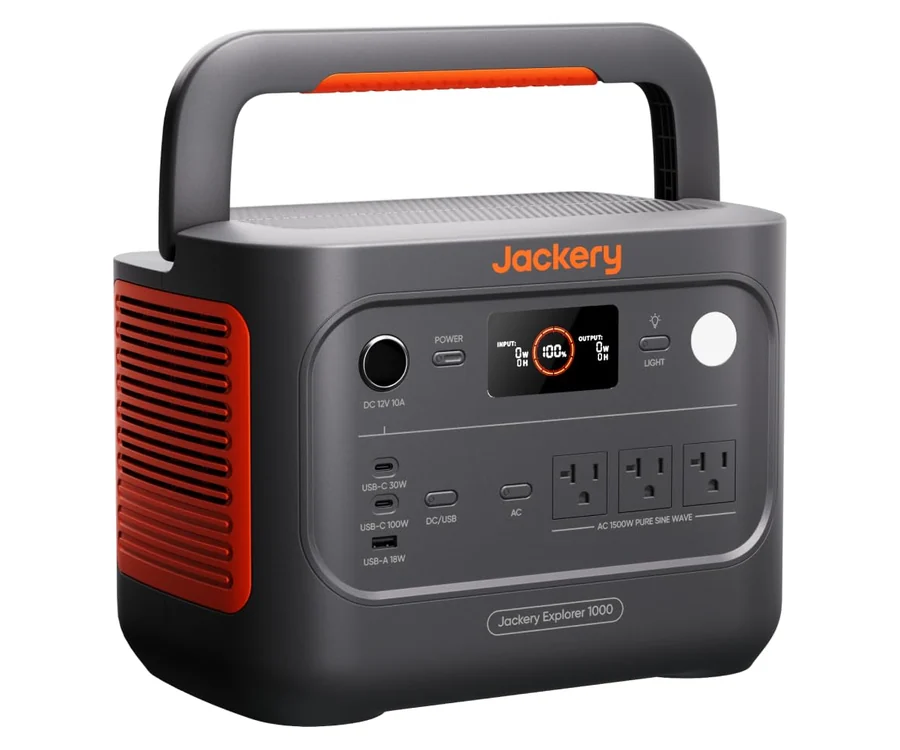 Jackery Explorer 1000 v2 | 1024Wh | View product Check Price on Amazon |
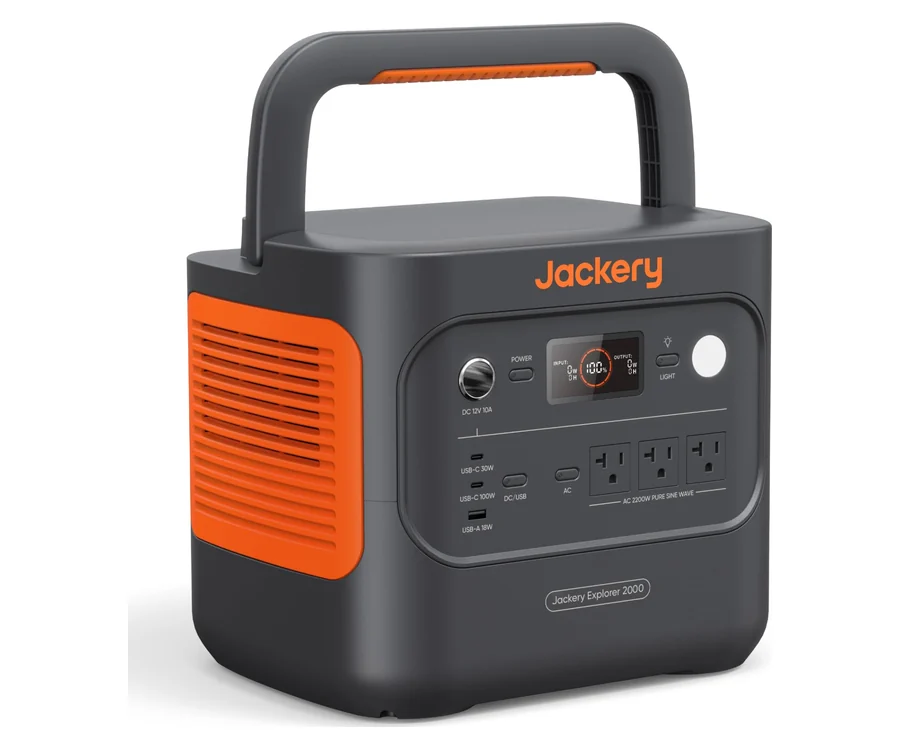 Jackery Explorer 2000 v2 | 2042Wh | View product Check Price on Amazon |
Sources and manufacturer references
- Jackery Explorer 1000 v2 US information
- Jackery Explorer 2000 v2 US specifications and kits
- Amazon Explorer 2000 v2 reference
References checked November 29, 2026. Specifications and availability can change.
Choose your next step
Use a related guide to resolve your remaining questions, or compare catalog models when you have a shortlist.
Compare power stations Explore products