Check startup and running demand separately
A portable power station may run a refrigerator if its voltage, continuous output and startup capability meet the refrigerator’s requirements. The compressor can briefly demand more power when starting. Check both manufacturers’ instructions and do not assume a surge figure applies indefinitely.
If the station shuts down at compressor startup, a fuller battery does not fix an incompatible output. Confirm the load before buying, especially with an older refrigerator, freezer or a second appliance sharing the outlets.
Measure energy over time
A refrigerator cycles on and off. Nameplate watts do not necessarily represent its average consumption. Measure watt-hours over a representative period or use suitable appliance information to build an estimate. Ambient temperature, door openings, thermostat settings and appliance condition affect consumption.
Suppose a refrigerator uses 1,200Wh over 24 hours: its average is 50W. An illustrative 1,024Wh battery with an assumed 80% usable allowance would provide about 16.4 hours at that average, before any other loads or reserve. This calculation is not a measured runtime or a food-safety guarantee.
Choose reserve and recharge capacity
Add the energy for lights, routers and chargers if they share the station. Leave a reserve for uncertainty rather than planning to reach empty exactly when utility power returns. A larger battery helps only within its output limits.
For a longer outage, examine where charging energy will come from. Solar may help in suitable conditions, but cloudy weather and placement can materially reduce input. Do not assume a kit’s panel rating is its all-day charging output.
Make food safety a separate decision
Battery charge and refrigerator temperature are different measurements. Follow current food-safety guidance and use an appliance thermometer rather than assuming a running compressor means every item is safe. Keep the door closed as much as practical.
The home-backup guide covers broader load planning. Compare the exact product configurations below and inspect output and connections before selecting one. We have not tested these stations with your refrigerator.
Use measured Wh to avoid the duty-cycle guessing trap
A refrigerator alternates between operating states. Multiplying its compressor running watts by every hour can overstate consumption, while assuming an unusually low duty cycle can understate it. A suitable energy meter, used according to its instructions, can record watt-hours over a representative period. Keep ambient conditions and normal use in mind when interpreting that observation.
For example, a hypothetical measurement of 900Wh over 24 hours corresponds to an average load of 37.5W during that period. Twelve hours at that observed average would use 450Wh at the appliance. Under an illustrative 80% usable-energy allowance, the battery target becomes 562.5Wh before reserve. This arithmetic does not predict your refrigerator’s next twelve hours; it shows how to translate a measurement into a planning input.
| Step | Calculation | Result |
|---|---|---|
| Average load | 900Wh ÷ 24h | 37.5W |
| Twelve-hour load energy | 37.5W × 12h | 450Wh |
| Rated-capacity screen | 450Wh ÷ 0.8 | 562.5Wh before reserve |
Check the startup and power-restoration behavior separately
A capacity calculation cannot answer whether the compressor starts. Check the refrigerator’s running and startup requirements against the station’s continuous rating and surge behavior. Do not replace a normal output rating with a boost or lifting-mode number without checking whether that mode is suitable for the appliance.
Also identify what the station and appliance do when input power fails, returns or the battery reaches a shutdown point. The exact settings and supported behavior matter more than a general UPS label. If uninterrupted operation is a requirement, use the documentation for both pieces of equipment and confirm the intended setup instead of relying on a family-wide marketing claim.
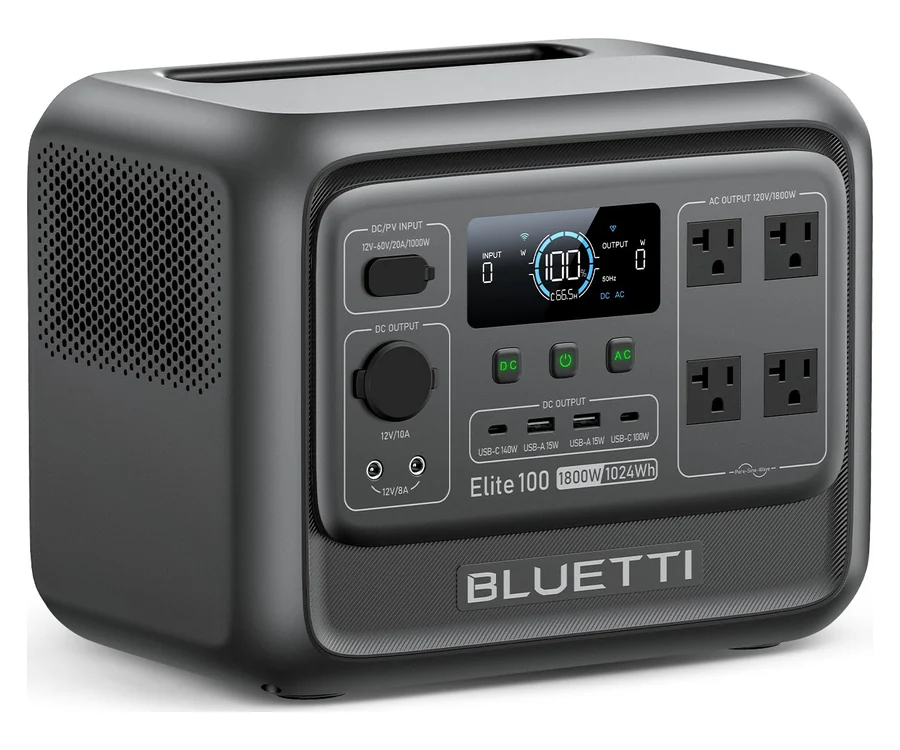
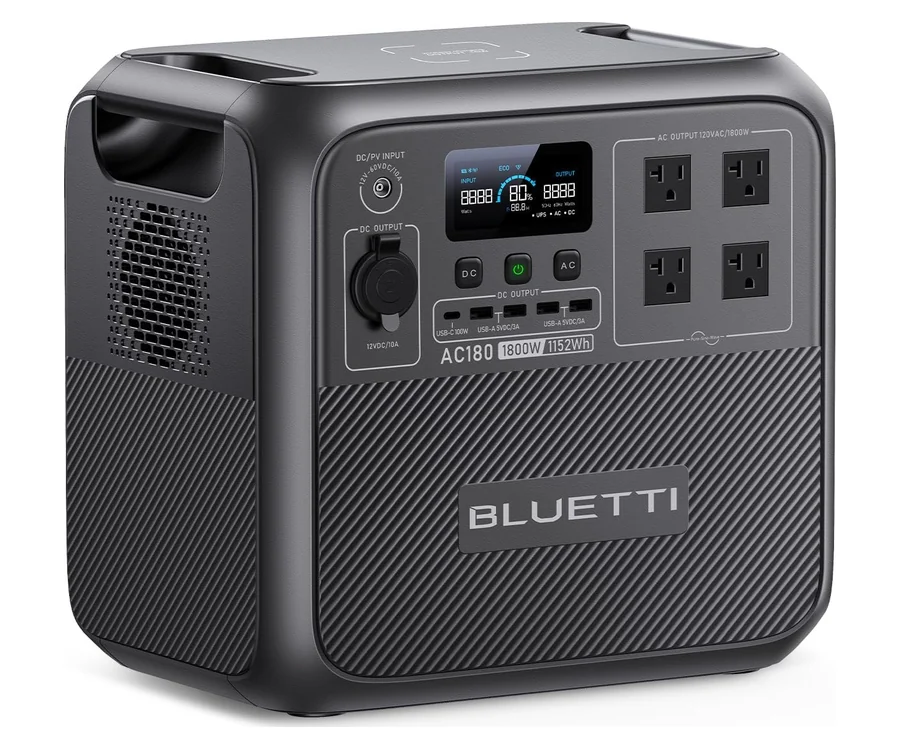
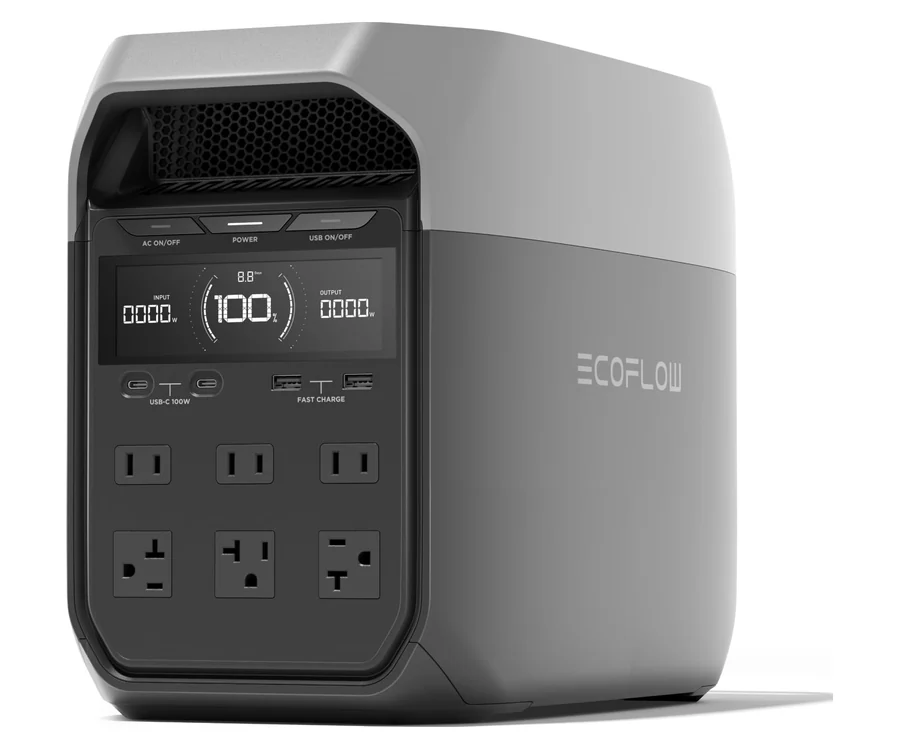
Inspect DELTA 3 output and configuration checks →Compare Elite 100 V2 and AC180 power limits →
Decide what the backup plan cannot promise
A station that powers a refrigerator briefly has not established an all-night or all-day food-preservation result. The refrigerator’s temperature, door opening, surrounding conditions and actual runtime remain separate observations. Follow applicable food-safety guidance for the food itself; this guide does not assign a food-safe storage duration.
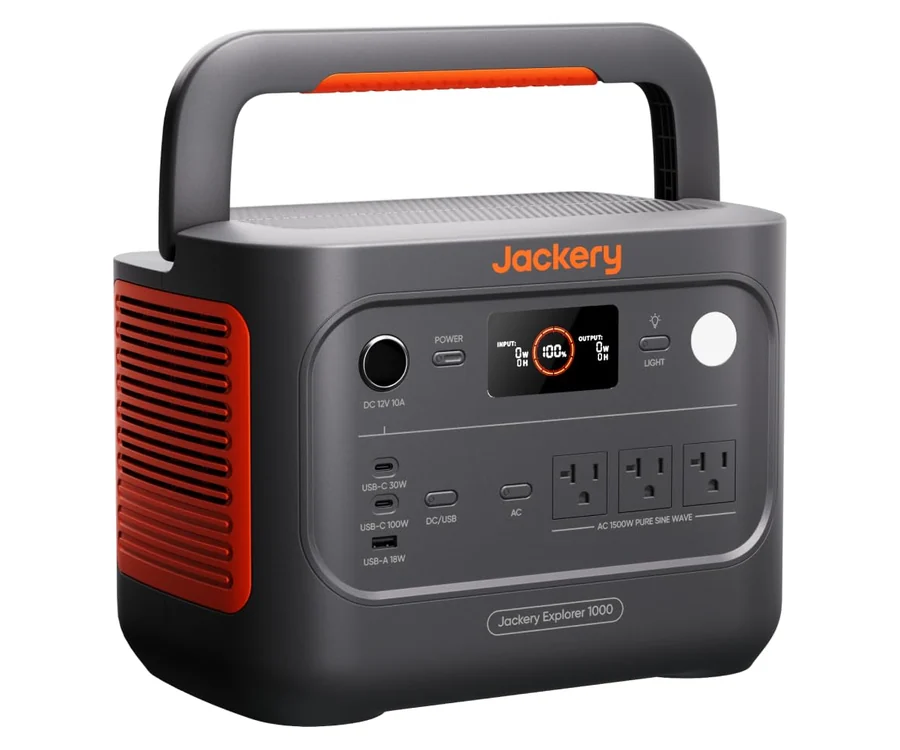
When the required energy interval is larger, inspect the 2,042Wh Explorer 2000 v2 and 2,080Wh Elite 200 V2 reference configurations rather than assuming a 1kWh unit is enough. Extra capacity can extend the energy budget, but output compatibility and the recharge plan still need to pass. The home-backup worksheet helps account for the other loads that may be sharing that battery.
Compare the 1kWh and 2kWh Jackery options →Account for other household essentials →
Inspect the exact configurations
Reference specifications and dated prices are available on each product page. Confirm package contents and final price on Amazon.
| Model | Battery capacity | Next step |
|---|---|---|
| EcoFlow Delta 3 | 1024Wh | View product Check Price on Amazon |
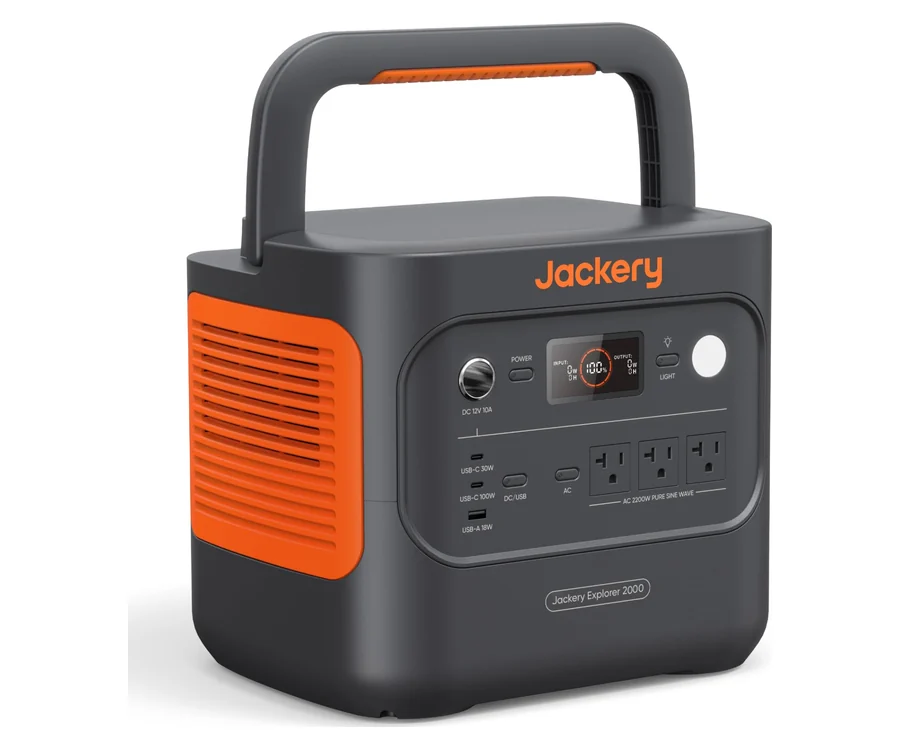 Jackery Explorer 2000 v2 | 2042Wh | View product Check Price on Amazon |
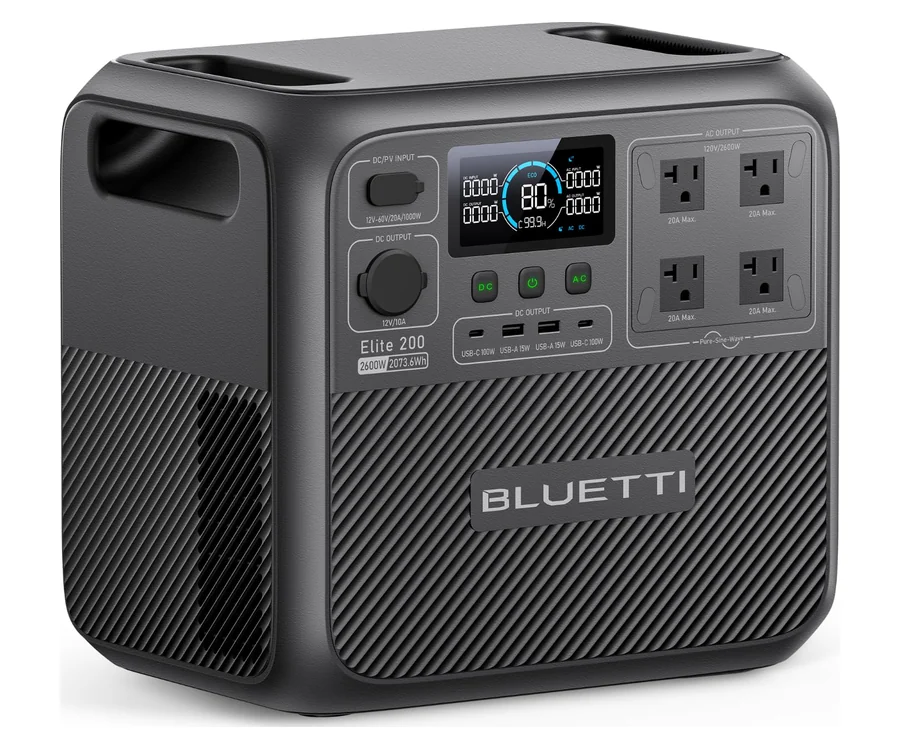 BLUETTI Elite 200 V2 | 2080Wh | View product Check Price on Amazon |
Sources and manufacturer references
- EcoFlow DELTA 3 US specifications
- BLUETTI Elite 100 V2 US specifications
- Jackery Explorer 2000 v2 US specifications and solar kits
References checked November 29, 2026. Specifications and availability can change.
Choose your next step
Use a related guide to resolve your remaining questions, or compare catalog models when you have a shortlist.
Compare power stations Explore products