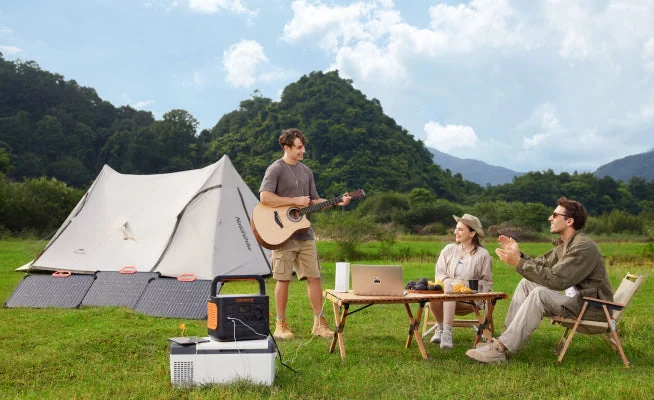
What a solar generator kit includes
A portable power station with solar panels stores energy in the battery and replenishes it when conditions allow. The panels do not increase the battery’s nominal capacity. Check whether the kit includes the necessary solar cable and adapters.
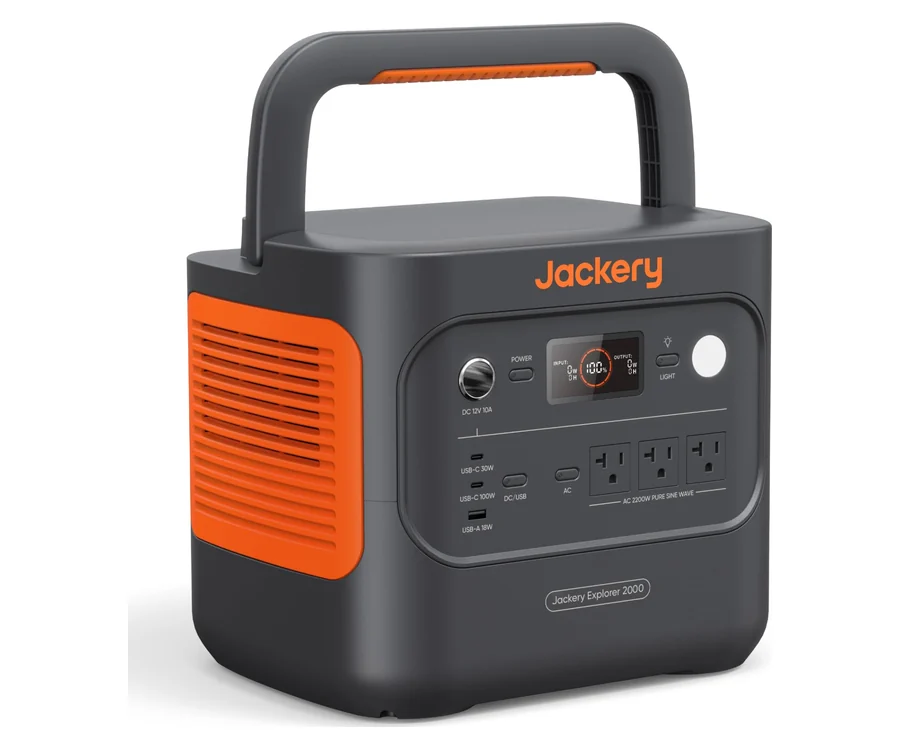
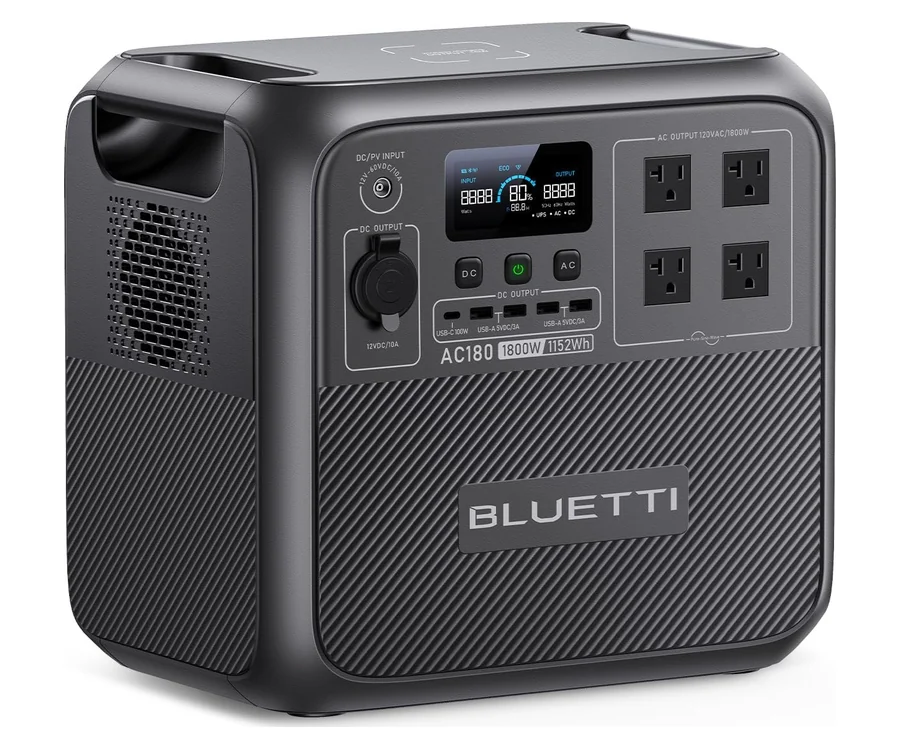
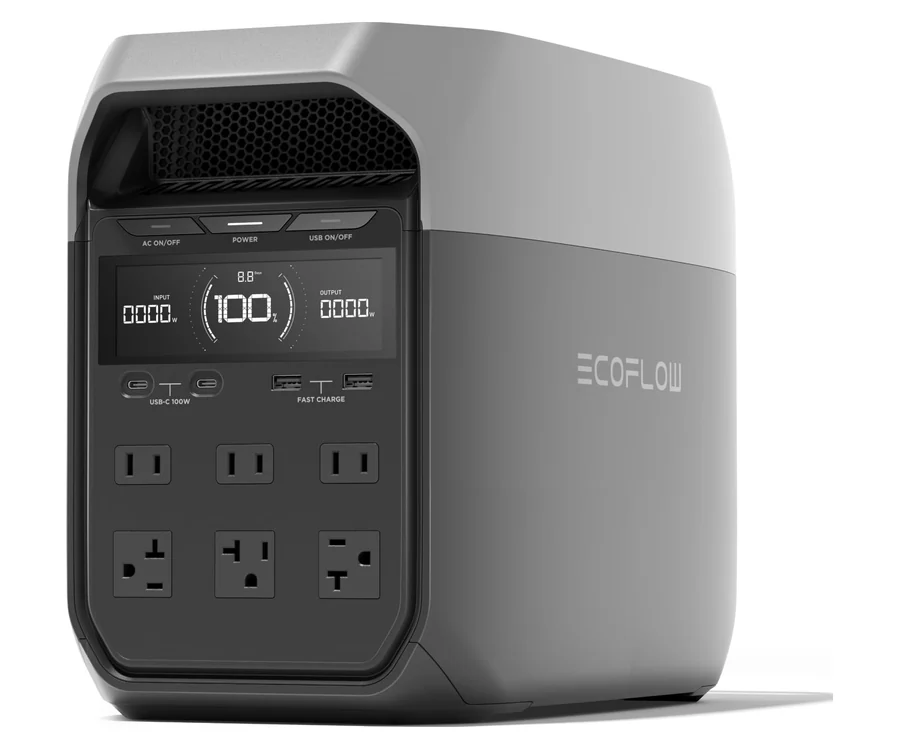
Compare a kit with the same components bought separately. A lower headline price may describe a station without panels, a smaller panel, or different accessories. Read the exact configuration rather than relying on a product-family photo.
Check electrical compatibility first
Check the station’s permitted input-voltage range, current limit, maximum input power, connector and polarity. Compare those limits with the panel specifications and the proposed wiring arrangement. A physical adapter alone does not establish compatibility.
Panel open-circuit voltage can change with temperature. Follow both manufacturers’ instructions when sizing strings or combining panels. Do not build a series or parallel array by assuming watt ratings are the only constraint.
Estimate energy from realistic sunlight
A panel’s rated output is measured under defined conditions. Shade, angle, heat, clouds and cable losses can reduce actual charging. Do not multiply the label rating by every daylight hour and assume that energy will reach the battery.
For illustration, if a compatible array actually averages 100W for four hours, it contributes about 400Wh before further charging losses. Compare this with daily device consumption. If use exceeds replenishment, the battery will eventually deplete even though panels are connected.
Choose portability or a fixed setup
Folding panels can suit a setup you pack away each day. A fixed vehicle installation has different mounting, cable-routing and weather requirements. Keep the station itself protected according to its rating and leave the required ventilation space.
Browse the solar-panel category for component specifications, then return to the exact station to check compatibility. For camping, include the time and space needed to deploy panels in your trip plan. For backup, plan for poor-weather days as well as a clear afternoon.
Compare input ceilings before paying for panel capacity
The US DELTA 3 specification lists a 500W solar input. DELTA 3 Plus lists two 500W DC input ports, each within its specified voltage range. That is a useful distinction when comparing a planned two-input solar setup, but it is not a promise that the system collects the maximum input continuously.
Elite 100 V2 lists a 1,000W maximum solar input with a 12–60V and 20A specification. A panel’s wattage is only one compatibility check. Open-circuit voltage, current, connectors, required adapters and the permitted connection arrangement must also match the exact station instructions. This guide does not specify a wiring arrangement for unverified panels.
| Reference model | Stated solar input | Important limitation |
|---|---|---|
| DELTA 3 | 500W; 11–60V DC | Check current and connectors in the exact manual |
| DELTA 3 Plus | Two 500W inputs; 11–60V each | Each port has its own constraints |
| Elite 100 V2 | 1000W; 12–60V; 20A max | Panel and wiring compatibility must be checked |
Compare DELTA 3 with DELTA 3 Plus →Inspect Elite 100 V2 configurations →
Build a recharge scenario with the load still running
For a simple hypothetical scenario, assume the station receives a steady 200W input for three hours. That is 600Wh at the input before charging losses and limits. If connected devices consume 100W during those same three hours, they require 300Wh at the load. The battery does not receive the whole 600Wh as additional stored energy.
The scenario is deliberately simplified. Real input changes with sunlight, shading, temperature, positioning and station limits, and input and output losses also matter. Run a conservative scenario alongside an optimistic one. If the trip or backup plan fails when solar contributes little, arrange another supported recharge option or reduce the energy requirement.
Match the bundle to where you will deploy it
A portable folding panel and a rigid installation solve different placement problems. Consider setup space, how often the equipment moves, cable reach and where the station itself can be operated according to its instructions. An attractive combined wattage figure does not establish that the whole kit will fit your campsite, balcony or vehicle.
The exact configuration table on each product page shows the image and identifier for the listed bundle. Use it to distinguish a station-only offer from a panel kit or an extra-battery package. Confirm the final contents, final checkout price and delivery on Amazon; do not infer compatibility or included equipment from a brand-level storefront link.
Inspect DELTA 3 panel and battery configurations →Return to the home-backup buying worksheet →
Inspect the exact configurations
Reference specifications and dated prices are available on each product page. Confirm package contents and final price on Amazon.
| Model | Battery capacity | Next step |
|---|---|---|
| EcoFlow Delta 3 | 1024Wh | View product Check Price on Amazon |
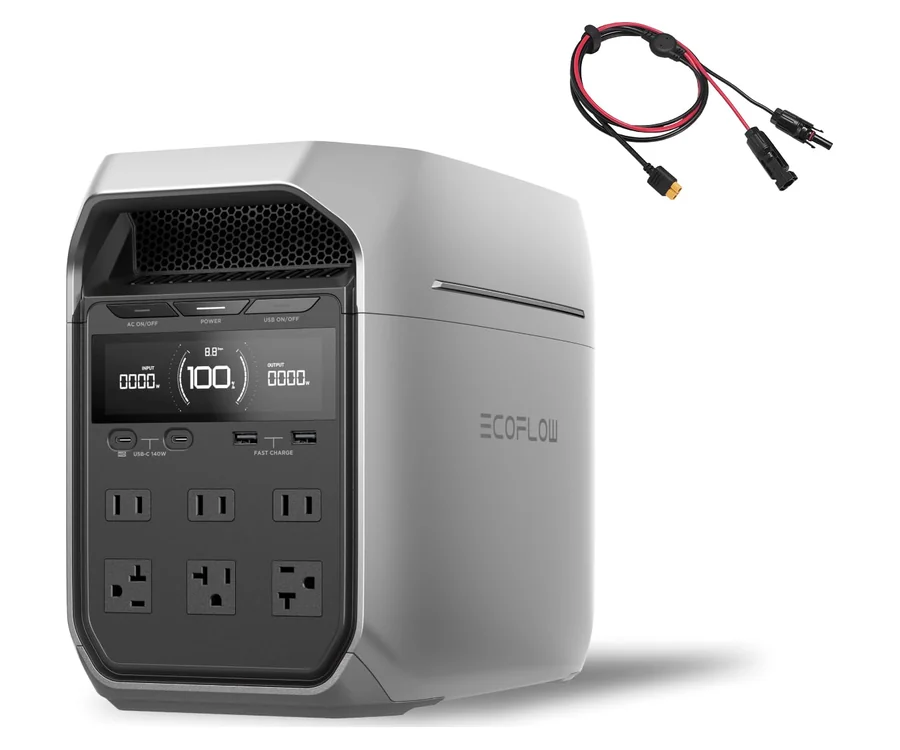 EcoFlow DELTA 3 Plus | 1024Wh | View product Check Price on Amazon |
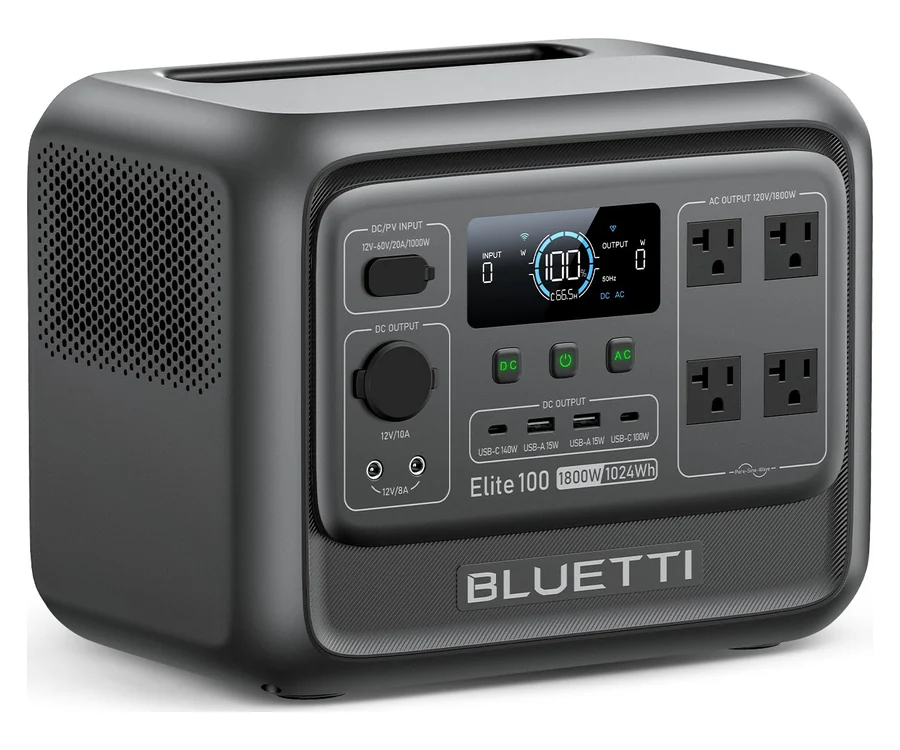 BLUETTI Elite 100 V2 | 1024Wh | View product Check Price on Amazon |
Sources and manufacturer references
- EcoFlow DELTA 3 US specifications
- EcoFlow DELTA 3 Plus US specifications
- BLUETTI Elite 100 V2 US specifications
References checked November 29, 2026. Specifications and availability can change.
Choose your next step
Use a related guide to resolve your remaining questions, or compare catalog models when you have a shortlist.
Compare power stations Explore products