The short answer: decide whether the input and USB differences matter
DELTA 3 Plus does not add baseline battery capacity or rated AC output over DELTA 3 in the US specifications checked for this comparison. Both list 1,024Wh and 1,800W total AC output. The important differences for this decision are the solar-input arrangement and USB ratings. Start with those differences, then compare the complete package and current checkout price.
Choose a candidate around your existing devices and charging opportunity. A solar-input upgrade is useful only when your panels, placement and available sunlight can use it. Higher USB ratings matter only when the device, cable and port support the charging mode. The Plus label alone is not a reason to replace a station that already meets the job.
| Decision factor | DELTA 3 | DELTA 3 Plus |
|---|---|---|
| Base rated capacity | 1,024Wh | 1,024Wh |
| Rated AC output | 1,800W total | 1,800W total |
| Surge / X-Boost | 3,600W / 2,200W mode | 3,600W / 2,200W mode |
| Solar input | One 500W input | Two 500W inputs |
| Solar voltage | 11–60V | 11–60V per input |
| USB-C | Two ports, 100W max stated | Two ports, 140W max stated |
| USB-A | Two ports, 18W max stated | Two ports, 36W max stated |
| Approximate unit weight | 27.6lb | 27.6lb |
Equal capacity means no automatic runtime upgrade
At a hypothetical constant 100W load and an assumed 80% usable-energy allowance, either 1,024Wh reference yields about 8.2 hours by simple arithmetic. That is a shared planning example, not evidence that the two models have identical inverter losses, idle consumption or measured runtime.
If your required interval is twelve hours at that same assumed load, the example needs 1,500Wh of rated capacity before adding reserve. The base battery in either model would miss that target. Investigate a documented expansion configuration or a different capacity class instead of expecting the Plus USB or solar features to add energy while disconnected from input.
Size a station using your own watts and hours →Plan a home-backup energy budget →
The solar difference is a connection and deployment decision
DELTA 3 Plus lists two 500W DC inputs where DELTA 3 lists a 500W input. A setup intended to use both Plus inputs needs panels and connections within each input’s limits. Do not interpret the combined ceiling as permission to exceed the voltage or current limit on one connector.
For a weekend supplied mostly from a wall outlet, the additional solar arrangement may have little practical value. For a setup that depends on daytime replenishment, compare panel availability, shaded conditions, cable needs and the actual period when useful input can be collected. A higher input ceiling is not a guarantee of collecting more energy on your trip.
USB specifications and power modes need their own checks
The stated USB-C maximum rises from 100W to 140W per listed port on the Plus specification table. Check the exact device and cable before treating that as a faster-charge promise. The benefit is narrower if your device draws less than either port can supply.
For AC loads, both pages distinguish rated output, surge and X-Boost. Keep them separate when checking an appliance. A boost-mode number cannot replace the ordinary output requirement, particularly where a device has specific voltage, startup or operating restrictions. Use the manufacturer’s exact documentation for that compatibility decision.
Compare configurations without mixing products
Match a standalone DELTA 3 with a standalone DELTA 3 Plus, or compare equivalent panel and battery contents. The similarly named Classic, Max, Pro and Ultra products are separate models. A price for one of them is not an offer for the two configurations compared here.
Product-page prices on this site are dated catalog snapshots, not live offers. Confirm the final checkout price, exact configuration, seller and delivery on Amazon before purchasing. A dated price comparison should not be treated as a current deal.
Inspect DELTA 3 configurations →Inspect DELTA 3 Plus configurations →
Which should you investigate first?
Investigate DELTA 3 first if the single solar-input arrangement and stated USB limits already meet your plan, subject to the actual package price. Investigate DELTA 3 Plus if the two-input solar arrangement or higher USB ratings address a requirement you can identify. Neither choice is an overall winner for all users.
This is a specification-based comparison of US models using official pages and dated catalog references. We have not measured charging speed, efficiency, noise or long-term reliability. Keep the product pages open for the exact configuration and use the comparison tool to resolve capacity, weight and package questions before following a purchase link.
Inspect the exact configurations
Reference specifications and dated prices are available on each product page. Confirm package contents and final price on Amazon.
| Model | Battery capacity | Next step |
|---|---|---|
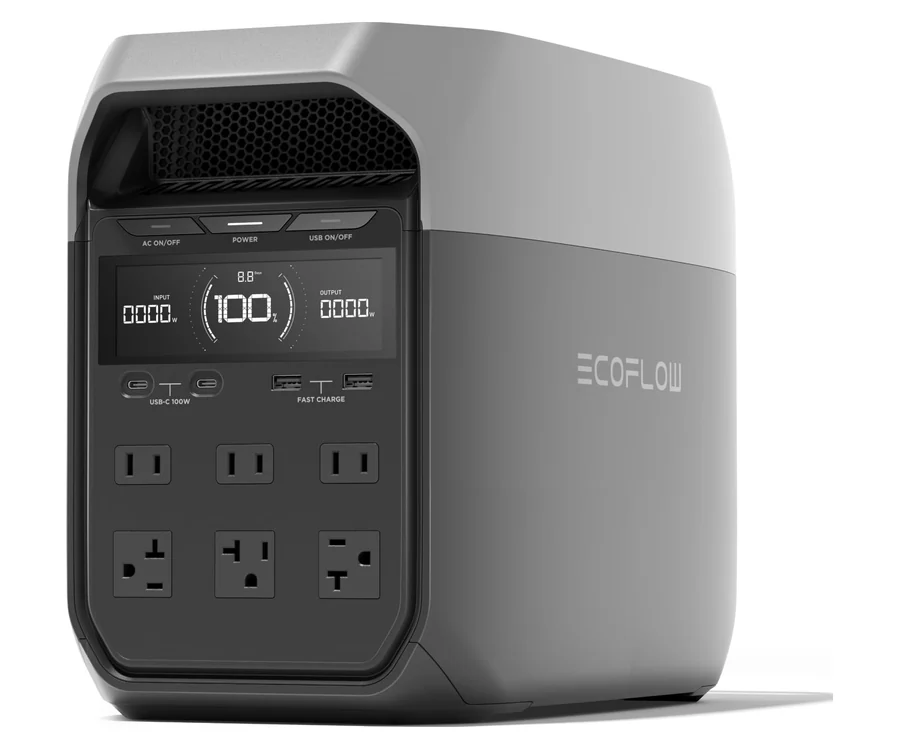 EcoFlow Delta 3 | 1024Wh | View product Check Price on Amazon |
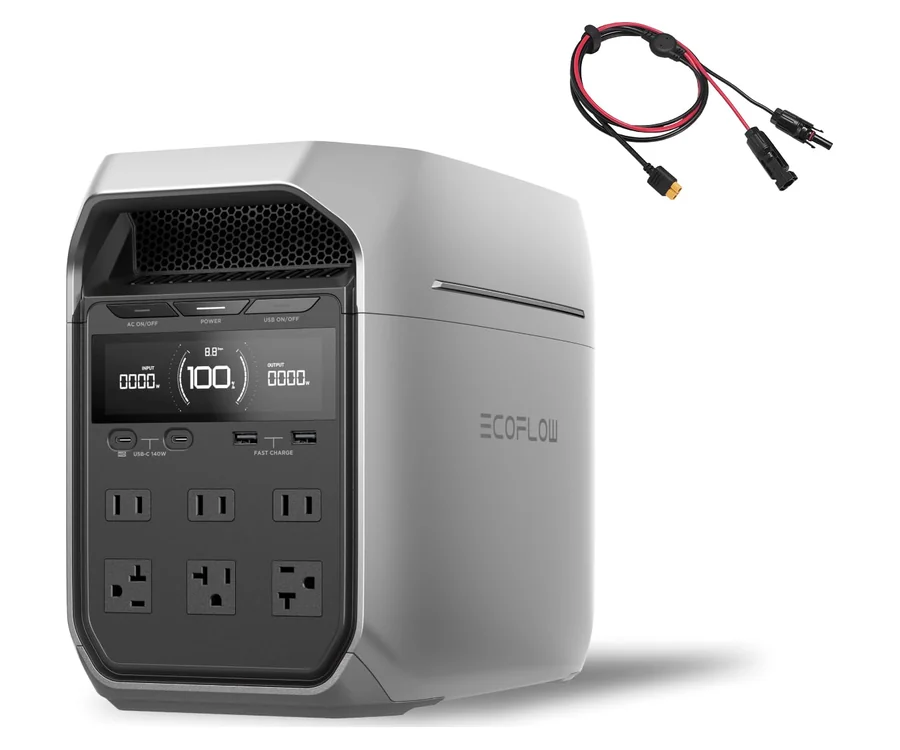 EcoFlow DELTA 3 Plus | 1024Wh | View product Check Price on Amazon |
Sources and manufacturer references
References checked November 29, 2026. Specifications and availability can change.
Choose your next step
Use a related guide to resolve your remaining questions, or compare catalog models when you have a shortlist.
Compare power stations Explore products